sa.genpi.co
Friday, January 9, 2026
  • General
  • Exterior Building Materials
  • Custom Homes
  • Sustainable Construction Materials
  • Home Improvement
No Result
View All Result
  • General
  • Exterior Building Materials
  • Custom Homes
  • Sustainable Construction Materials
  • Home Improvement
No Result
View All Result
sa.genpi.co
No Result
View All Result
Home General

The Role of Health Information Technology in Hospitals: A Comprehensive Guide

admin by admin
October 19, 2025
in General, Health Technology
0
The Application and Impact of Information Technology in Healthcare ...
Share on FacebookShare on Twitter

Exploring the pivotal role of health information technology in hospitals, this introduction sets the stage for a thorough discussion on how technology revolutionizes healthcare delivery. From enhancing patient care to optimizing hospital operations, the impact of health information technology is profound and far-reaching.

As we delve deeper into the realm of health information technology, we uncover its various types, benefits, challenges, and the transformative power it holds within the healthcare landscape.

The Importance of Health Information Technology in Hospitals

Health information technology plays a crucial role in modern hospitals by enhancing patient care and streamlining operations.

Improved Patient Care

Health information technology improves patient care by:

  • Allowing healthcare providers to access patient records instantly, leading to faster diagnosis and treatment.
  • Reducing medical errors through electronic prescribing systems that provide accurate medication information.
  • Enabling remote monitoring of patients, especially those with chronic conditions, to ensure timely interventions.

Streamlining Hospital Operations

Health information technology streamlines hospital operations by:

  • Automating administrative tasks such as scheduling appointments and billing, which increases efficiency and reduces paperwork.
  • Facilitating communication between healthcare teams through electronic health records, ensuring coordinated care for patients.
  • Improving inventory management by tracking medical supplies and medications electronically, preventing shortages or overstocking.

Types of Health Information Technology Used in Hospitals

Health information technology plays a crucial role in improving patient care and streamlining processes within hospitals. Let's explore some of the common types of health information technology used in hospital settings.

Electronic Health Records (EHRs)

Electronic Health Records (EHRs) are digital versions of patients' paper charts. They contain a patient's medical history, diagnoses, medications, treatment plans, immunization dates, allergies, radiology images, and laboratory test results. EHRs allow healthcare providers to access and share patient information seamlessly, leading to better-coordinated care and improved patient outcomes.

Telemedicine and Telehealth Technologies

Telemedicine involves providing healthcare services remotely using telecommunications technology, while telehealth encompasses a broader scope of remote healthcare services, including non-clinical services like administrative meetings and continuing medical education. These technologies enable healthcare professionals to consult with patients, monitor their conditions, and deliver treatment without the need for in-person visits.

Telemedicine and telehealth technologies have become increasingly important, especially during the COVID-19 pandemic, allowing hospitals to continue providing care while minimizing the risk of exposure to the virus.

Benefits of Implementing Health Information Technology in Hospitals
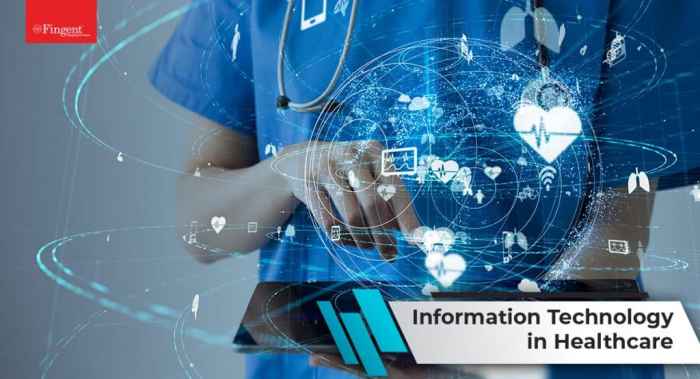
The Application and Impact of Information Technology in Healthcare ...
..." />

Implementing health information technology systems in hospitals comes with numerous advantages. One of the key benefits is the enhancement of medication management through electronic prescribing systems. These systems streamline the medication ordering process, reduce errors, and improve patient safety by ensuring accurate prescriptions and reducing the risk of adverse drug events.

Electronic Prescribing Systems

  • Electronic prescribing systems eliminate the need for handwritten prescriptions, which can be prone to errors due to illegible handwriting.
  • These systems provide real-time access to a patient's medication history, allergies, and drug interactions, allowing healthcare providers to make informed decisions when prescribing medications.
  • By automating the prescription process, electronic systems help reduce medication errors, such as incorrect dosages or drug interactions, ultimately enhancing patient safety.

Reduction of Medical Errors and Improved Patient Safety

  • Health information technology plays a crucial role in reducing medical errors by providing healthcare providers with instant access to accurate patient information, including medical history, lab results, and treatment plans.
  • By having a comprehensive view of a patient's health information, healthcare providers can make well-informed decisions, leading to better outcomes and improved patient safety.
  • The use of electronic health records and clinical decision support systems helps identify potential errors before they occur, ultimately preventing harm to patients and enhancing the quality of care provided.

Challenges and Barriers in Adopting Health Information Technology in Hospitals

Implementing health information technology in hospitals comes with its own set of challenges and barriers that healthcare facilities need to address in order to successfully integrate these systems into their operations.

Data Security and Privacy Concerns

Ensuring the security and privacy of patient data is a critical aspect of health information technology implementation. Hospitals need to invest in robust cybersecurity measures to protect sensitive information from data breaches and unauthorized access. Compliance with regulations such as HIPAA is essential to safeguard patient confidentiality and maintain trust in the healthcare system.

Training and Education for Healthcare Staff

One of the key challenges in adopting health information technology is ensuring that healthcare staff are adequately trained to use these systems effectively. Healthcare professionals need to be educated on how to navigate electronic health records, utilize telemedicine platforms, and interpret data analytics for improved patient care.

Ongoing training and support are crucial to ensure that staff can maximize the benefits of health information technology.

Outcome Summary

In conclusion, the integration of health information technology in hospitals not only improves efficiency and patient outcomes but also paves the way for a more interconnected and data-driven healthcare ecosystem. Embracing these technological advancements is key to shaping the future of healthcare delivery and ensuring optimal quality of care for all patients.

FAQ

What are some common challenges hospitals face in adopting health information technology?

Hospitals often encounter obstacles such as initial high costs of implementation, resistance to change among staff, and interoperability issues with existing systems.

How does electronic prescribing system contribute to medication management in healthcare facilities?

Electronic prescribing systems streamline the prescription process, reduce medication errors, improve accuracy, and enhance communication between healthcare providers and pharmacies.

What is the difference between telemedicine and telehealth technologies in a hospital setting?

Telemedicine focuses on remote clinical services, while telehealth encompasses a broader range of services, including non-clinical aspects like provider training and administrative meetings.


Related articles

Endurance Car Warranty: Customer Stories That Matter

7 Secrets to Lowering Your Car Finance Costs: A Comprehensive Guide

Exploring the pivotal role of health information technology in hospitals, this introduction sets the stage for a thorough discussion on how technology revolutionizes healthcare delivery. From enhancing patient care to optimizing hospital operations, the impact of health information technology is profound and far-reaching.

As we delve deeper into the realm of health information technology, we uncover its various types, benefits, challenges, and the transformative power it holds within the healthcare landscape.

The Importance of Health Information Technology in Hospitals

Health information technology plays a crucial role in modern hospitals by enhancing patient care and streamlining operations.

Improved Patient Care

Health information technology improves patient care by:

  • Allowing healthcare providers to access patient records instantly, leading to faster diagnosis and treatment.
  • Reducing medical errors through electronic prescribing systems that provide accurate medication information.
  • Enabling remote monitoring of patients, especially those with chronic conditions, to ensure timely interventions.

Streamlining Hospital Operations

Health information technology streamlines hospital operations by:

  • Automating administrative tasks such as scheduling appointments and billing, which increases efficiency and reduces paperwork.
  • Facilitating communication between healthcare teams through electronic health records, ensuring coordinated care for patients.
  • Improving inventory management by tracking medical supplies and medications electronically, preventing shortages or overstocking.

Types of Health Information Technology Used in Hospitals

Health information technology plays a crucial role in improving patient care and streamlining processes within hospitals. Let's explore some of the common types of health information technology used in hospital settings.

Electronic Health Records (EHRs)

Electronic Health Records (EHRs) are digital versions of patients' paper charts. They contain a patient's medical history, diagnoses, medications, treatment plans, immunization dates, allergies, radiology images, and laboratory test results. EHRs allow healthcare providers to access and share patient information seamlessly, leading to better-coordinated care and improved patient outcomes.

Telemedicine and Telehealth Technologies

Telemedicine involves providing healthcare services remotely using telecommunications technology, while telehealth encompasses a broader scope of remote healthcare services, including non-clinical services like administrative meetings and continuing medical education. These technologies enable healthcare professionals to consult with patients, monitor their conditions, and deliver treatment without the need for in-person visits.

Telemedicine and telehealth technologies have become increasingly important, especially during the COVID-19 pandemic, allowing hospitals to continue providing care while minimizing the risk of exposure to the virus.

Benefits of Implementing Health Information Technology in Hospitals

The Application and Impact of Information Technology in Healthcare ...
..." />

Implementing health information technology systems in hospitals comes with numerous advantages. One of the key benefits is the enhancement of medication management through electronic prescribing systems. These systems streamline the medication ordering process, reduce errors, and improve patient safety by ensuring accurate prescriptions and reducing the risk of adverse drug events.

Electronic Prescribing Systems

  • Electronic prescribing systems eliminate the need for handwritten prescriptions, which can be prone to errors due to illegible handwriting.
  • These systems provide real-time access to a patient's medication history, allergies, and drug interactions, allowing healthcare providers to make informed decisions when prescribing medications.
  • By automating the prescription process, electronic systems help reduce medication errors, such as incorrect dosages or drug interactions, ultimately enhancing patient safety.

Reduction of Medical Errors and Improved Patient Safety

  • Health information technology plays a crucial role in reducing medical errors by providing healthcare providers with instant access to accurate patient information, including medical history, lab results, and treatment plans.
  • By having a comprehensive view of a patient's health information, healthcare providers can make well-informed decisions, leading to better outcomes and improved patient safety.
  • The use of electronic health records and clinical decision support systems helps identify potential errors before they occur, ultimately preventing harm to patients and enhancing the quality of care provided.

Challenges and Barriers in Adopting Health Information Technology in Hospitals

Implementing health information technology in hospitals comes with its own set of challenges and barriers that healthcare facilities need to address in order to successfully integrate these systems into their operations.

Data Security and Privacy Concerns

Ensuring the security and privacy of patient data is a critical aspect of health information technology implementation. Hospitals need to invest in robust cybersecurity measures to protect sensitive information from data breaches and unauthorized access. Compliance with regulations such as HIPAA is essential to safeguard patient confidentiality and maintain trust in the healthcare system.

Training and Education for Healthcare Staff

One of the key challenges in adopting health information technology is ensuring that healthcare staff are adequately trained to use these systems effectively. Healthcare professionals need to be educated on how to navigate electronic health records, utilize telemedicine platforms, and interpret data analytics for improved patient care.

Ongoing training and support are crucial to ensure that staff can maximize the benefits of health information technology.

Outcome Summary

In conclusion, the integration of health information technology in hospitals not only improves efficiency and patient outcomes but also paves the way for a more interconnected and data-driven healthcare ecosystem. Embracing these technological advancements is key to shaping the future of healthcare delivery and ensuring optimal quality of care for all patients.

FAQ

What are some common challenges hospitals face in adopting health information technology?

Hospitals often encounter obstacles such as initial high costs of implementation, resistance to change among staff, and interoperability issues with existing systems.

How does electronic prescribing system contribute to medication management in healthcare facilities?

Electronic prescribing systems streamline the prescription process, reduce medication errors, improve accuracy, and enhance communication between healthcare providers and pharmacies.

What is the difference between telemedicine and telehealth technologies in a hospital setting?

Telemedicine focuses on remote clinical services, while telehealth encompasses a broader range of services, including non-clinical aspects like provider training and administrative meetings.

admin

admin

Related Posts

Coverage And Review For 2013 Infiniti JX35 | Endurance Warranty

Endurance Car Warranty: Customer Stories That Matter

by admin
November 11, 2025
0

Beginning with Endurance Car Warranty: Customer Stories That Matter, the narrative unfolds in a compelling and distinctive manner, drawing readers into a story that promises to...

Pin on Personal Finance Club

7 Secrets to Lowering Your Car Finance Costs: A Comprehensive Guide

by admin
November 11, 2025
0

7 Secrets to Lowering Your Car Finance Costs sets the stage for this enthralling narrative, offering readers a glimpse into a story that is rich in...

Auto Glass Replacement: We Can Fix Your Windshield Fast | Car Window ...

How to Find a Reliable Auto Glass Replacement Near You

by admin
November 11, 2025
0

When it comes to finding a trustworthy auto glass replacement service nearby, the journey begins with thorough research and evaluation. This guide will walk you through...

25 Actionable Strategies to Master Truck Fleet Management - Egaltrans

Best Practices for Maintaining a Truck Fleet in 2025: A Comprehensive Guide

by admin
November 11, 2025
0

Exploring the realm of maintaining a truck fleet in 2025, this introduction aims to captivate readers with a detailed yet intriguing look at the best practices...

19 Pros and Cons of Working at Wells Fargo

Wells Fargo Auto Financing: Pros, Cons, and Alternatives

by admin
November 11, 2025
0

As Wells Fargo Auto Financing: Pros, Cons, and Alternatives takes center stage, this opening passage beckons readers with casual formal language style into a world crafted...

Next Post
Healthcare Technology: How It’s Being Used in 2025

Top 5 Emerging Trends in Health Information Technology for 2025: A Glimpse into the Future

Guide to building Digital Health solutions | by David Coleman | Medium

Exploring the Significance of Health Information Technology: What Is Health Information Technology and Why It Matters

Advantages and Disadvantages of Technology in Healthcare

Exploring the Pros and Cons of Health Information Technology in Healthcare

Leave a Reply Cancel reply

Your email address will not be published. Required fields are marked *

CATEGORIES

  • Automotive
  • Car Financing
  • Category: Finance
  • Custom Homes
  • Exterior Building Materials
  • Fleet Management
  • General
  • Health Information Technology Jobs
  • Health Insurance
  • Health Tech
  • Health Technology
  • Home Improvement
  • Insurance
  • Maintenance Tips for WordPress
  • Security Systems
  • Sustainable Construction Materials
  • Sustainable Living
  • Technology
  • Web Development
  • WordPress category
  • WordPress category relevant to Best Degrees and Certifications in Health Information Technology: Health Tech
  • WordPress Category: Construction
  • WordPress category: Cybersecurity Jobs
  • WordPress Category: HVAC Services Near Me
  • WordPress Development
  • WordPress Security Best Practices

RECOMMENDED

Pin on Personal Finance Club
Car Financing

7 Secrets to Lowering Your Car Finance Costs: A Comprehensive Guide

November 11, 2025
Top 7 Global Jobs for Digital Nomads You Can Apply For Right Now
General

The Ultimate Guide to the Best Freelance Jobs for Digital Nomads

September 21, 2025

TAGS

Accident Auto Glass Replacement Auto Loans budgeting car finance Car Financing Car Insurance Car Maintenance Car Safety Car Warranty Cost Savings Credit Building Customer Stories Data-Driven Strategies Endurance First-Time Buyers Fleet Management High-Quality Materials Insurance Tips interest rates Local Glass Repair lowering costs negotiating Premium Hikes Preventive Maintenance Quality Workmanship Rate Increases Related tags: financing Reliable Auto Services Road Safety sustainable practices Technology in Fleet Maintenance Truck Fleet Maintenance Vehicle Longevity Vehicle Protection Vehicle Safety Wells Fargo Windshield Replacement
  • About Us
  • Contact
  • Privacy Policy
  • Sertifikat Dewan Pers
  • CYBER MEDIA NEWS COVERAGE GUIDELINES

Copyright 2025 © PT. Pesona Digital Com. All Rights Reserved

No Result
View All Result
  • About
  • About Us
  • Advertising with us
  • Blog
  • Contact
  • CYBER MEDIA NEWS COVERAGE GUIDELINES
  • Homepage
  • Privacy Policy
  • Sample Page
  • Sertifikat Dewan Pers

Copyright 2025 © PT. Pesona Digital Com. All Rights Reserved