
Delving into Why Preventive Car Maintenance Can Save You Thousands, this introduction immerses readers in a unique and compelling narrative, with a casual formal language style that is both engaging and thought-provoking from the very first sentence.
Exploring the significance of regular car maintenance and its potential cost-saving benefits can be eye-opening for many vehicle owners. By understanding the importance of preventive maintenance, individuals can make informed decisions to ensure their vehicles remain in top condition while avoiding unnecessary expenses.
Let’s dive deeper into this crucial topic.
Importance of Preventive Car Maintenance
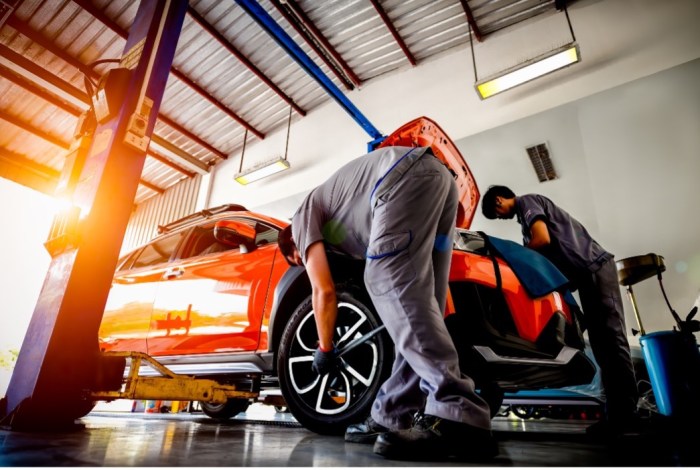
Preventive car maintenance is the practice of regularly inspecting, servicing, and replacing parts of a vehicle to prevent potential issues and ensure optimal performance. By staying ahead of any potential problems, drivers can avoid costly repairs and breakdowns.
Examples of Common Preventive Maintenance Tasks
- Regular oil changes to keep the engine lubricated and running smoothly.
- Replacing the air filter to maintain fuel efficiency and engine performance.
- Checking and rotating tires to ensure even wear and prolong tire life.
- Inspecting and replacing worn brake pads to maintain braking efficiency and safety.
Benefits of Proactive Maintenance over Reactive Repairs
- Cost Savings: Preventive maintenance helps avoid major repairs that can be much more expensive than routine servicing.
- Increased Safety: Regular maintenance ensures that critical components are in good working condition, reducing the risk of accidents due to mechanical failures.
- Extended Lifespan: Proper maintenance can prolong the life of your vehicle, saving you money in the long run by delaying the need for a new car.
- Improved Performance: Keeping up with maintenance tasks can enhance the overall performance and fuel efficiency of your vehicle.
Cost Savings of Preventive Maintenance
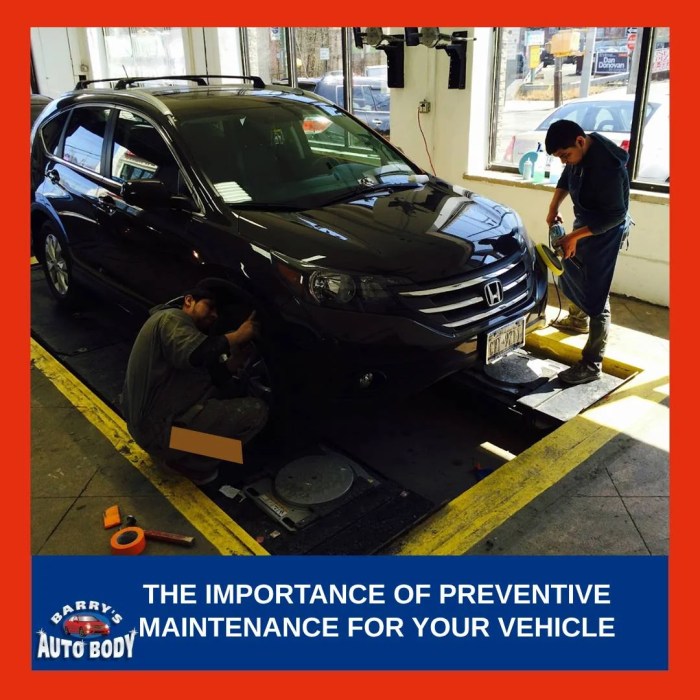
Regular maintenance of your vehicle can actually save you a significant amount of money in the long run. By taking the time to address minor issues before they escalate into major problems, you can avoid costly repairs and breakdowns down the road.
Preventing Costly Repairs through Maintenance
- Regular oil changes can prevent engine damage and extend the life of your vehicle’s engine. Replacing an engine can cost thousands of dollars, while an oil change is a relatively inexpensive maintenance task.
- Checking and replacing the timing belt at recommended intervals can prevent engine failure, which can be a very expensive repair.
- Rotating your tires regularly can ensure even wear and prevent the need for premature tire replacements.
Cost Comparison: Maintenance vs Neglect
- Replacing a worn-out timing belt can cost around $500, while repairing an engine damaged by a broken timing belt can run into several thousand dollars.
- Regular brake inspections and maintenance can prevent the need for costly brake repairs or replacements, which can cost hundreds of dollars.
- Ignoring warning lights or unusual noises can lead to major component failures that can be very expensive to repair.
Extending Vehicle Lifespan through Maintenance
Regular preventive maintenance plays a crucial role in prolonging the life of a vehicle. By addressing issues early on and keeping all components in good working condition, you can prevent major breakdowns and extend the lifespan of your vehicle significantly.
Impact of Regular Oil Changes
Regular oil changes are essential for maintaining the health of your engine. Fresh oil lubricates the moving parts, reduces friction, and helps prevent overheating. By changing the oil at recommended intervals, you can prevent engine wear and prolong its lifespan.
Importance of Tire Rotations
Tire rotations are another key maintenance task that can extend the life of your vehicle. Rotating the tires regularly ensures even wear and helps maintain proper alignment. This not only improves fuel efficiency but also prevents premature tire replacement, saving you money in the long run.
Examples of Preventable Premature Vehicle Retirement
Failure to perform regular maintenance can lead to costly repairs and premature vehicle retirement. For instance, neglecting to replace a worn-out timing belt can result in engine failure, requiring a costly replacement. Similarly, overlooking routine brake inspections can lead to brake system failures, compromising safety and potentially causing accidents.
Safety Benefits of Regular Car Maintenance
Regular car maintenance plays a crucial role in ensuring road safety for both drivers and passengers. By keeping up with maintenance schedules, vehicles are less likely to break down unexpectedly, reducing the risk of accidents caused by sudden mechanical failures.
Reduced Risk of Breakdowns
- Proper maintenance of essential components such as brakes, tires, and steering systems can prevent malfunctions that may lead to accidents on the road.
- Regular inspections and tune-ups can help identify potential issues before they escalate into major problems, ensuring the vehicle’s reliability on the road.
- Well-maintained vehicles are less likely to experience sudden breakdowns, reducing the chances of being stranded in unsafe locations.
Correlation Between Neglect and Accidents
- Neglecting routine maintenance tasks like oil changes, fluid checks, and tire rotations can compromise the overall performance and safety of the vehicle.
- Accidents caused by poor maintenance practices, such as worn-out brake pads or faulty steering systems, highlight the importance of regular maintenance in preventing road incidents.
- Studies have shown that a significant number of accidents are attributed to neglected maintenance, emphasizing the need for drivers to prioritize the upkeep of their vehicles.
Final Thoughts
In conclusion, prioritizing preventive car maintenance is not just about saving money; it’s about ensuring the longevity and safety of your vehicle. By staying proactive and addressing maintenance tasks promptly, you can potentially save thousands of dollars in the long run while enjoying a smoother and safer driving experience.
Make the wise choice today and invest in preventive car maintenance to reap the benefits for years to come.
FAQ
How often should I perform preventive car maintenance?
It is recommended to follow the manufacturer’s guidelines for scheduled maintenance, typically every 5,000 to 7,500 miles or every six months.
Can I do preventive maintenance on my own, or should I seek professional help?
While some basic maintenance tasks can be done at home, complex procedures are best handled by trained professionals to ensure proper care of your vehicle.
What are some signs that indicate the need for immediate preventive maintenance?
Unusual noises, strange odors, warning lights on the dashboard, and changes in vehicle performance are all signs that your car may require immediate attention.